
The cost of extracting a rotten tooth can range from $75 to $600, depending on whether it's a simple or surgical extraction. Complexity, anesthesia choices, and the dentist's expertise also influence the price. Insurance may cover part of the costs, so check your plan for specifics. Additional fees for anesthesia or follow-up care might apply too. To find options that fit your budget, consider exploring various providers and their payment plans for more affordable care.
Summary Point
- Simple extractions for rotten teeth typically cost between $75 and $300, while surgical extractions may range from $225 to $600.
- Additional costs may include anesthesia fees, post-operative care, and necessary imaging like X-rays.
- Dental insurance often covers some costs, but specifics, deductibles, and co-pays can vary.
- Community clinics and dental schools may offer reduced-cost services for tooth extractions.
- Inquire about payment plans or financial assistance options to make treatment more affordable.
Factors Influencing Tooth Extraction Costs
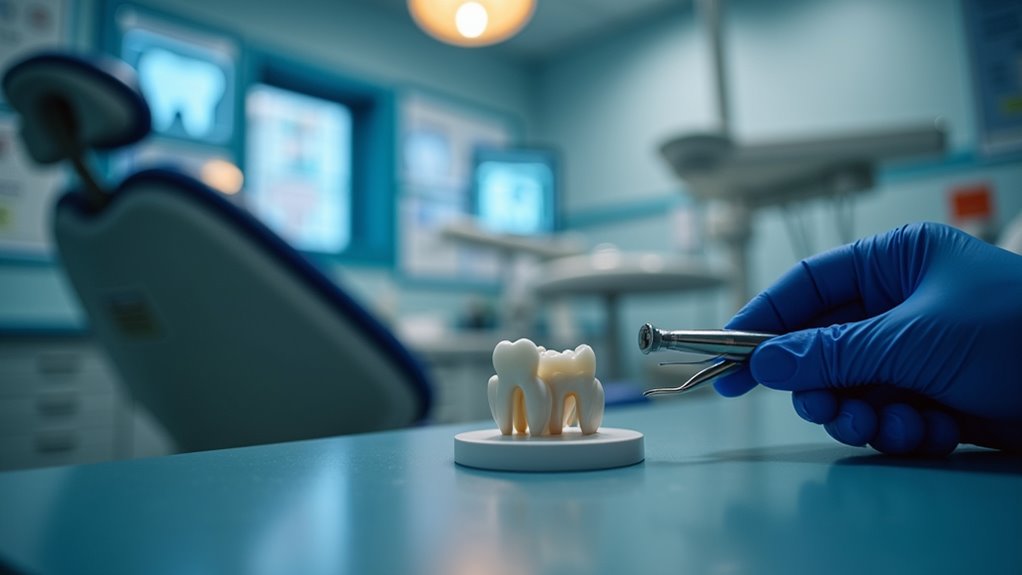
When pondering tooth extraction costs, several key factors come into play. First, the type of extraction markedly affects the price. Emergency extractions often require additional resources or time, increasing costs.
You'll also need to weigh the complexity of the procedure; simpler extractions are typically less expensive than those involving impacted teeth. Sedation options can influence your final cost as well, with different methods available to ease anxiety or discomfort during the extraction.
Finally, the dentist's experience and the facility's location can lead to price variations. By keeping these factors in mind, you can better prepare for the financial aspects of your dental care. Prioritizing the right options guarantees that you and your patients receive the best care possible.
Average Cost of Tooth Extractions
Understanding the average cost of tooth extractions is essential for budgeting and planning your dental care.
Generally, the cost can range from $75 to $300 for a simple extraction, while surgical extractions involving impacted teeth may go from $225 to $600. These averages largely depend on tooth types and complexity.
If you're concerned about affordability, it's important to explore various options available in your area, including dental schools or community clinics, which often provide services at reduced rates.
Additionally, discussing payment plans with your dentist could ease financial burdens.
Role of Dental Insurance in Coverage
While dental insurance plans vary widely, most provide some level of coverage for tooth extractions, helping to alleviate the financial burden.
When considering dental insurance options, you should evaluate your plan's specifics to understand what's covered. Most plans will include basic extractions, but there can be coverage limitations for complicated procedures or specific circumstances, such as wisdom teeth removal.
Be aware that deductibles, co-pays, and annual maximums may affect your out-of-pocket expenses.
It's important to review your benefits thoroughly, ask your provider about coverage details, and inquire about any pre-authorization requirements.
Understanding your dental insurance will empower you to make informed decisions about your tooth extraction and guarantee you're getting the support you need for your dental health.
Additional Costs to Consider

Even with dental insurance, it's important to contemplate additional costs that might arise during a tooth extraction. These expenses can add up, and being prepared can help you manage your budget effectively.
Here are a few additional costs to keep in mind:
- Anesthesia fees for sedation or general anesthesia
- Post-operative care, including pain management and follow-up visits
- X-rays or additional imaging to assess the tooth
- Possible medications for infection or inflammation
Understanding these potential costs guarantees you're fully informed and can prioritize your dental health.
You want to provide the best possible care for yourself or those you serve, so being aware of all aspects of expenses will contribute to a smoother treatment experience.
Finding Affordable Dental Care Options
Finding affordable dental care options can feel overwhelming, but it's essential for maintaining your oral health without breaking the bank.
Start by exploring community clinics, which often offer reduced-cost services based on your income. These facilities prioritize patient care and provide a range of dental treatments.
You can also look for dental practices that offer payment plans, allowing you to spread the cost of treatment over time. Many dentists understand the financial strain of dental work and may be willing to accommodate your needs.
Don't hesitate to ask about financial assistance or discounts, as these options can greatly lower your out-of-pocket expenses.