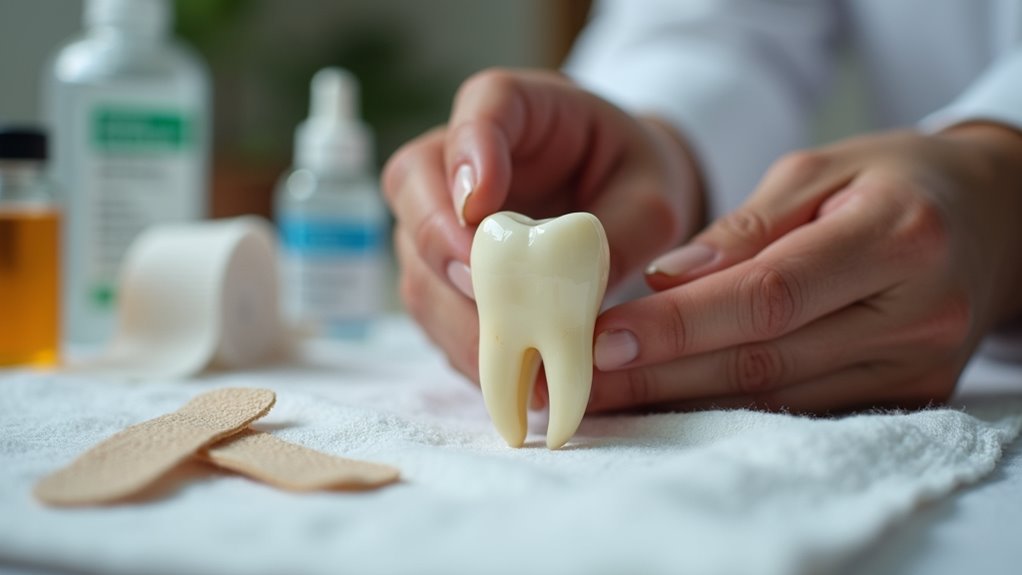
If you have a cracked tooth, assess the damage and look for swelling or sensitivity. For a knocked-out tooth, act quickly—handle the tooth by the crown, rinse it gently, and try to reinsert it if possible. If not, store it in milk or saliva until you can see a dentist. Protect your oral health by maintaining good hygiene and wearing mouthguards during sports. To learn more about prevention and emergency responses, keep exploring.
Highlights
- For a cracked tooth, assess the damage and check for visible cracks, swelling, and sensitivity to identify if professional care is needed.
- For sharp pain when biting, avoid hard foods and use a cold compress to reduce swelling until you can see a dentist.
- If a tooth is knocked out, handle it by the crown, rinse it gently, and seek dental help within 30 minutes.
- Store a knocked-out tooth in milk, saline, or saliva—never water—to improve chances of successful re-implantation.
- Maintain regular dental checkups and practice good oral hygiene to help prevent future dental emergencies.
Understanding Cracked Teeth: Causes and Symptoms
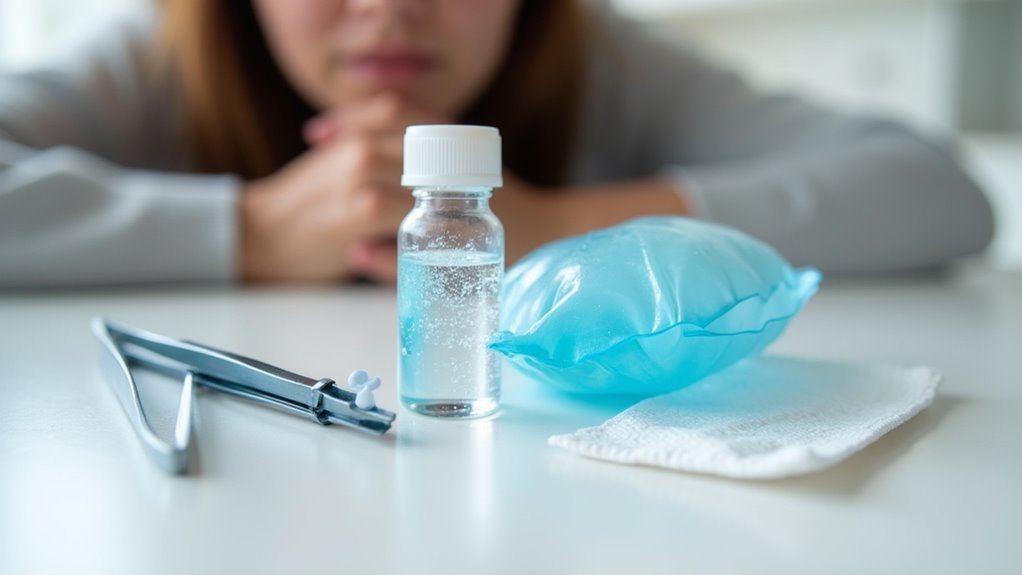
Cracked teeth are a common dental issue that can lead to discomfort if not addressed promptly. Understanding the causes of cracking is essential for prevention. Factors such as excessive grinding, biting hard foods, or trauma can contribute to this problem.
Additionally, sudden temperature changes can weaken tooth structure over time.
You should also be aware of the symptoms of damage. You might experience sharp pain when biting or discomfort from temperature sensitivity.
Swelling or tenderness in the gums around the cracked tooth can also signal underlying issues. By recognizing these signs early, you can seek appropriate care to avoid further complications, ensuring your overall dental health remains intact.
Immediate Steps for a Cracked Tooth
If you’ve cracked a tooth, the first step is to assess the damage carefully.
Check for any sharp edges or significant pain, which can indicate the severity of the crack.
You’ll also need to manage any sensitivity you might feel, as this can help you determine your next steps before seeking professional care.
Assess the Damage
When you suspect a tooth is cracked, it’s essential to assess the damage promptly to prevent further issues.
Understanding the tooth anatomy can help you identify dental symptoms that require immediate attention. Follow these steps:
- Look for visible cracks or chips in the tooth surface.
- Check for any swelling around the affected area or in your gums.
- Note any sensitivity to hot, cold, or sweet foods, as it may indicate damage to the tooth’s inner pulp.
- Observe any difficulty when biting or chewing, which could signal structural compromise.
Taking these steps can help you gauge the severity of the crack and determine whether you need to seek professional dental care right away.
Manage Tooth Sensitivity
To manage tooth sensitivity caused by a cracked tooth, start by avoiding foods and beverages that are extreme in temperature or high in sugar, as these can exacerbate discomfort.
Implement dietary adjustments by opting for softer, milder foods that won’t irritate your tooth. You might also find relief with over the counter remedies, such as desensitizing toothpaste or oral analgesics, which can help alleviate pain temporarily.
Consider rinsing your mouth with warm saltwater to promote healing and reduce inflammation.
If you experience persistent sensitivity or pain, prioritizing a visit to your dentist is vital. Prompt attention can prevent further complications and provide long-term solutions, ensuring you’re able to serve others without discomfort.
First Aid for a Knocked-Out Tooth
If you’ve experienced a knocked-out tooth, it’s essential to act quickly.
Start with immediate action steps to maximize your chances of successful re-implantation, followed by proper tooth preservation techniques.
Knowing these steps can make all the difference in maintaining your dental health.
Immediate Action Steps
Experiencing a knocked-out tooth can be alarming, but knowing the immediate action steps can greatly influence the outcome. Follow these essential steps:
- Stay Calm: Keep your composure; anxiety can hinder problem-solving.
- Handle the Tooth Gently: Pick it up by the crown, avoiding the root, to prevent damage.
- Rinse, Don’t Scrub: If dirty, rinse it gently with water; don’t use home remedies or scrub, as these can cause harm.
- Seek Professional Help: Reach a dentist within 30 minutes. Dental myths like placing the tooth in milk mightn’t be effective and could delay proper care.
Taking these steps can maximize the chances of saving the tooth. Your prompt action matters!
Tooth Preservation Techniques
While you wait for professional help after a tooth has been knocked out, implementing effective tooth preservation techniques is crucial for maximizing the chances of successful reattachment.
First, handle the tooth by the crown, avoiding contact with the root to preserve essential tissues. If possible, rinse it gently with water to remove dirt, but don’t scrub or use soap.
Try placing the tooth back into its socket, ensuring it’s in the correct position. If that’s not feasible, store the tooth in a container with milk or saline solution, as these provide nutrients for the root cells.
Always prioritize prompt dental care by seeking assistance within 30 minutes. Utilizing these emergency techniques can greatly improve the outcome of tooth care.
Preserving a Knocked-Out Tooth
When a tooth gets knocked out, quick action is essential to increase the chances of successful re-implantation.
Proper tooth storage plays a vital role in emergency care. Here’s what you should do:
- Rinse the tooth: Gently rinse it under cool water to remove dirt. Don’t scrub or remove tissue.
- Reinsert if possible: If you can, place the tooth back in its socket, using light pressure.
- Use a storage medium: If reinserting isn’t feasible, place the tooth in a container with either milk, saline solution, or your own saliva. Avoid using water.
- Seek dental help immediately: The sooner you get professional care, the better the chances for saving the tooth.
When to Seek Professional Dental Help
How do you know if your dental issue requires professional help? If you experience severe pain or swelling, or if your cracked or knocked-out tooth shows signs of infection, it’s essential to seek assistance promptly.
Dental professionals can provide effective pain management and determine the best treatment options tailored to your situation.
Additionally, if the damage involves a significant portion of the tooth or if you’re unable to stop bleeding, don’t delay in contacting a dentist.
Preventing Future Dental Emergencies
To minimize the risk of future dental emergencies, proactive care and attention to your oral health are essential.
Prioritizing preventive care and maintaining good dental hygiene can go a long way in protecting your smile.
Here are a few effective strategies you can implement:
- Brush and Floss Daily: Commit to a routine that includes brushing twice a day and daily flossing to remove plaque and food particles.
- Regular Dental Checkups: Schedule biannual visits to your dentist for professional cleanings and checkups to catch issues early.
- Wear Protective Gear: If you play sports or grind your teeth, use mouthguards to shield against injuries.
- Limit Sugary Foods: Reduce consumption of sugary snacks and drinks to decrease the risk of cavities and other dental issues.
Essential Items for Your Dental Emergency Kit
A well-stocked dental emergency kit can make all the difference when accidents happen.
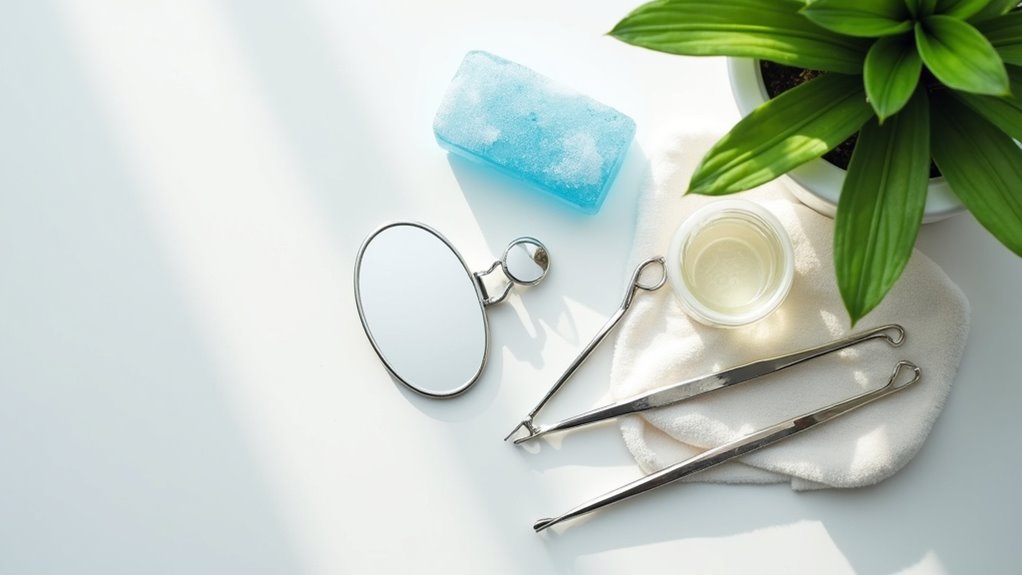
To guarantee you’re ready, include essential items like sterile gauze, dental cement, a small container with a lid for knocked-out teeth, and a pair of tweezers.
Also, add pain relief medication, an antibacterial mouthwash, and a rescue saline solution for rinsing injuries.
Having a dental care guide and emergency contact information for a local dentist is vital for quick access.
Don’t forget to check the kit regularly and replace expired items.
This proactive approach in your emergency preparation helps you serve others effectively during a dental crisis, assuring you can respond calmly and efficiently when it counts the most.