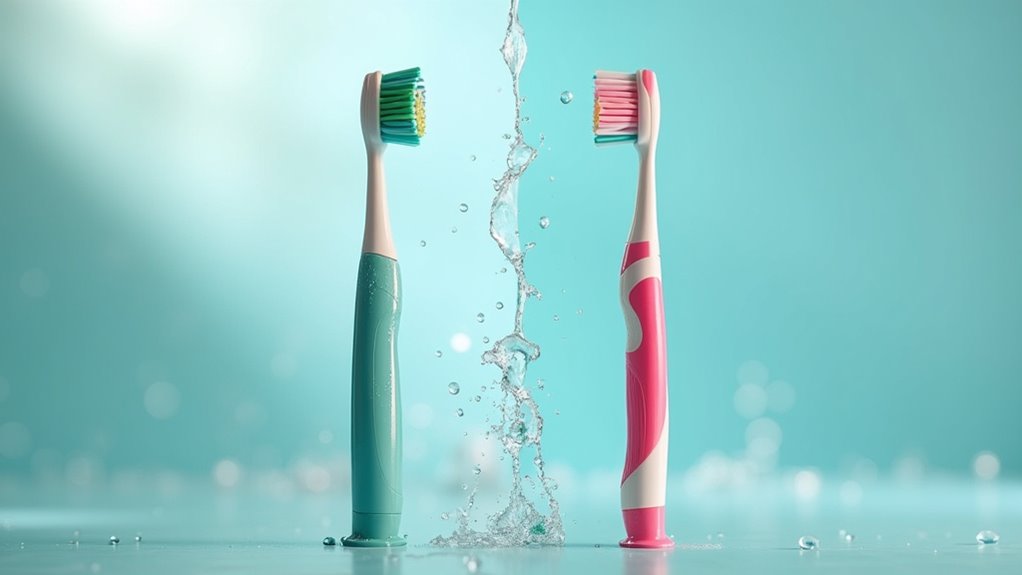
When comparing electric and manual toothbrushes, electric models typically offer superior plaque removal due to advanced oscillation and pulsation techniques. They provide consistent cleaning, built-in timers, and features like pressure sensors, making them ideal for enhancing oral health. However, they come with higher initial costs and ongoing maintenance expenses. Manual toothbrushes are more affordable and don’t rely on batteries but may be less effective in reaching difficult areas. Learn more about the nuances of each option for optimal dental care.
Highlights
- Electric toothbrushes provide superior plaque removal through oscillating and pulsating movements compared to manual brushing techniques.
- Built-in timers and pressure sensors in electric toothbrushes promote effective and consistent brushing habits for better oral hygiene.
- Manual toothbrushes allow users to control their technique; however, inconsistent pressure can reduce overall cleaning effectiveness.
- Research suggests that regular use of electric toothbrushes can lead to improved oral health, potentially reducing cavities and gum disease.
- While electric toothbrushes incur higher initial costs, their long-term benefits may outweigh expenses through enhanced dental care efficiency.
Understanding Electric Toothbrushes
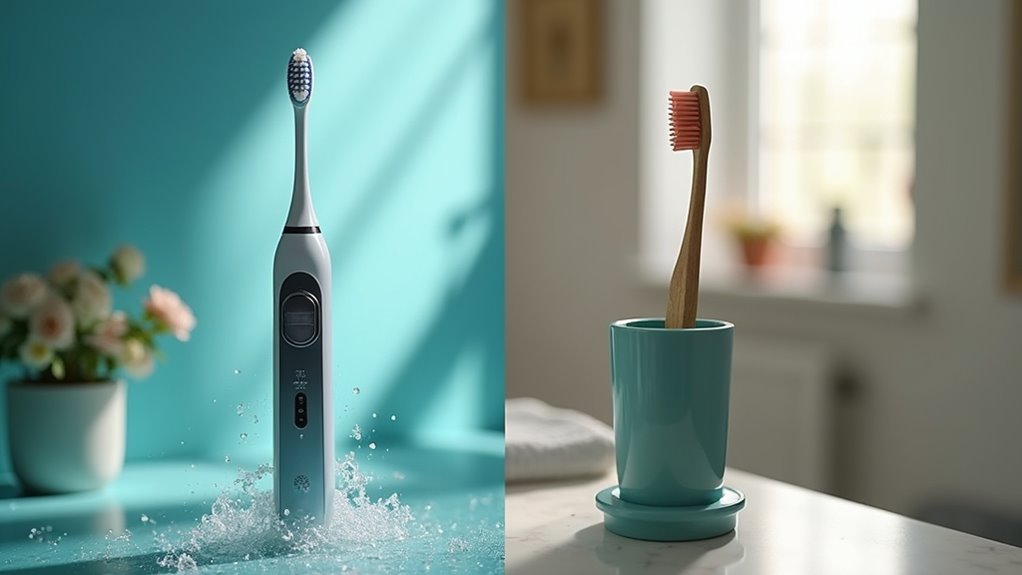
When you consider upgrading your oral hygiene routine, understanding electric toothbrushes is essential for making an informed choice. These devices often feature advanced brushing techniques that enhance plaque removal and promote gum health.
You’ll find various models offering different oscillation or sonic movements, each designed to maximize cleaning efficiency.
Moreover, battery types play a significant role in functionality. Some electric toothbrushes use rechargeable lithium-ion batteries, while others rely on disposable options.
When selecting a toothbrush, consider the battery life and charging frequency that best suits your lifestyle. Understanding these aspects will enable you to choose an electric toothbrush that not only meets your personal needs but also provides effective care for those you wish to serve, promoting their oral health and overall well-being.
The Advantages of Electric Toothbrushes
While both electric and manual toothbrushes can effectively clean your teeth, electric toothbrushes offer distinct advantages that enhance your oral hygiene efforts. They typically provide consistent, superior brushing techniques with built-in timers, ensuring you brush for the recommended two minutes.
The oscillating and pulsating movements of electric toothbrushes can remove plaque more effectively than manual ones. Additionally, they cater to varying user preferences through features like pressure sensors, multiple modes for sensitivity, and even interactive apps to track progress.
For individuals with limited dexterity, electric toothbrushes make it easier to maintain proper oral care. Ultimately, these advantages can support better overall dental health, making it a worthy consideration for anyone looking to improve their oral hygiene routine.
The Drawbacks of Electric Toothbrushes
While electric toothbrushes offer significant benefits, they also come with some drawbacks.
You’ll need to take into account the initial cost and ongoing maintenance, which can add up over time.
Additionally, your dependence on battery life means you may encounter inconvenience if the brush unexpectedly runs out of power.
Cost and Maintenance Issues
Although electric toothbrushes offer several advantages in dental care, their cost and maintenance issues can be considerable drawbacks. Conducting a cost analysis reveals that initial investment is typically higher than manual options, with prices for quality models varying greatly.
Over time, replacement brush heads add to the overall cost, often requiring you to purchase them every few months. Maintenance tips include regular cleaning of the handle and ensuring proper storage to prolong its lifespan.
Additionally, if problems arise, repairs can be complicated and costly, unlike manual toothbrushes, which are easily replaced. As a result, while electric toothbrushes enhance oral hygiene, weighing these financial considerations and maintenance needs is essential for informed decision-making.
Dependence on Battery Life
Given the reliance on battery power, electric toothbrushes can present significant drawbacks regarding convenience and usability. While many users appreciate the features these devices offer, the battery lifespan often dictates their overall effectiveness.
You may find yourself charged with the hassle of regular battery replacements or frequent charging, which can disrupt your routine. Additionally, if you forget to charge it before travel or daily use, you could risk inadequate oral hygiene. Maintaining an electric toothbrush requires you to monitor its battery status actively, adding unintuitive pressure to your brushing routine.
Ultimately, while electric toothbrushes promise superior cleaning abilities, their dependence on battery life can undermine their practicality for those serving others, prioritizing consistent and effective dental care.
Exploring Manual Toothbrushes
When you consider your oral hygiene routine, manual toothbrushes offer a time-tested method for effective plaque removal and gum care.
These brushes are crafted from various materials, including nylon and biodegradable options, emphasizing both effectiveness and sustainability. Your success hinges greatly on proper brushing techniques, which guarantee you reach all areas of your mouth.
- Lightweight and portable for easy use.
- Affordable and widely accessible.
- Non-reliant on batteries or charging.
- Available in various bristle firmness options.
- Suitable for a wide range of populations, including children and the elderly.
The Benefits of Manual Toothbrushes
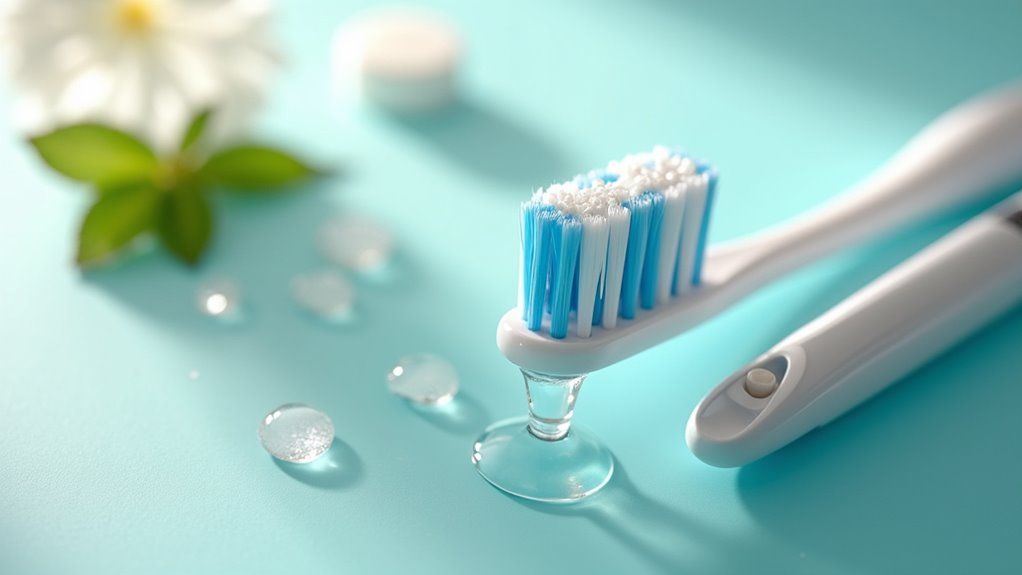
Manual toothbrushes provide several advantages that contribute to effective oral hygiene. One key benefit is your ability to control the manual technique, allowing for personalized adjustments in pressure and motion that suit your needs.
By using a manual toothbrush, you can easily maintain the correct brushing angle, which is essential for removing plaque effectively. You’re empowered to focus on difficult areas, ensuring thorough coverage of all surfaces.
Additionally, manual toothbrushes are often more cost-effective and accessible, making them a practical choice for many individuals. Their simplicity encourages consistent brushing habits, fostering a sense of responsibility towards your oral health.
Ultimately, with the right technique and attention, manual brushes can deliver a commendable level of cleanliness.
The Limitations of Manual Toothbrushes
Although manual toothbrushes can be effective in maintaining oral hygiene, they do have significant limitations that may hinder ideal dental care.
Your brushing technique plays an essential role in how well you clean your teeth, and many users struggle to achieve the best results. Here are some limitations to take into account:
- Inconsistent pressure during brushing can lead to poor cleaning.
- Limited rotation speed reduces plaque removal effectiveness.
- Users often miss difficult-to-reach areas, such as back teeth.
- Manual brushes may require more effort and time, leading to less thorough cleaning.
- User preference can lead to inconsistent habits, affecting daily oral hygiene routines.
Understanding these limitations might help you make more informed choices about your dental care practices.
Comparing Effectiveness in Plaque Removal
While many factors influence the effectiveness of plaque removal, studies consistently show that electric toothbrushes outperform manual brushes in this regard.
Research indicates that electric brushes reduce plaque accumulation considerably more than manual brushes, often attributed to their automated brushing technique. With oscillating or rotating heads, electric brushes can reach areas that manual brushes may miss, especially in tight spaces between teeth.
This efficiency is fundamental in minimizing plaque buildup, which can lead to gum disease and cavities. Additionally, many electric toothbrushes include built-in timers to guarantee you brush for the recommended duration, further enhancing your plaque removal efforts.
Cost Considerations for Electric vs. Manual Toothbrushes
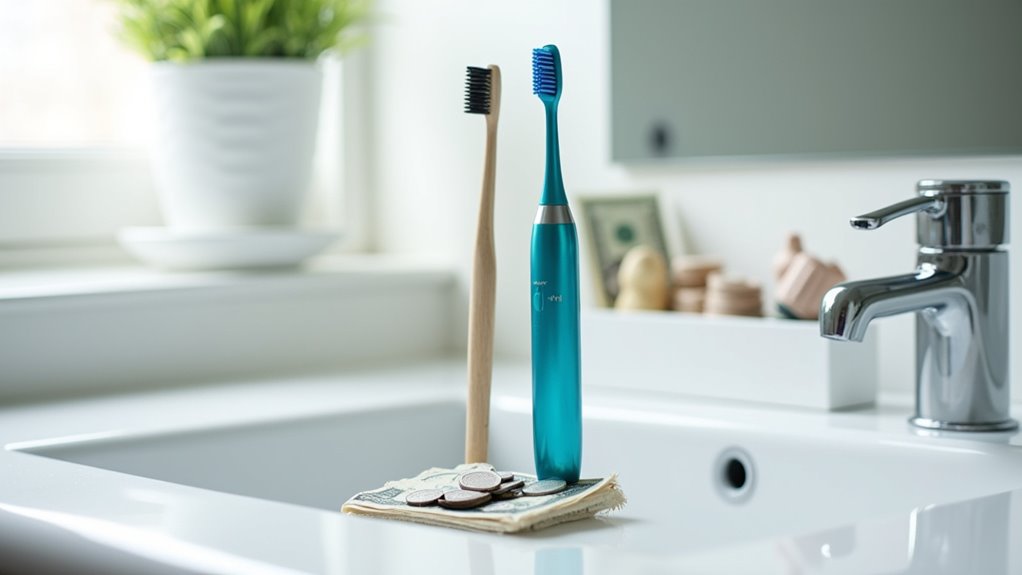
When considering toothbrush options, you’ll notice a significant difference in the initial purchase price between electric and manual toothbrushes.
While manual brushes are generally more affordable upfront, electric models come with ongoing costs, such as replacement heads and battery or charging expenses.
Evaluating these factors will help you determine which option fits your budget in the long run.
Initial Purchase Price
Understanding the initial purchase price is essential when deciding between an electric and a manual toothbrush. The affordability factor often plays a vital role in your choice, as prices can vary greatly between the two.
Here are some key considerations:
- Electric toothbrushes range from $20 to over $300, depending on brand variations and features.
- Manual toothbrushes typically cost less than $5, making them more accessible.
- The initial investment in an electric toothbrush may provide enhanced cleaning benefits.
- Consider long-term durability; some electric models last years with proper care.
- Always evaluate additional costs, such as replacement heads for electric toothbrushes.
Long-term Expenses
Initial purchase prices are just the beginning of the financial considerations when choosing between an electric and a manual toothbrush.
In your longevity analysis, you’ll find that electric toothbrushes, while more expensive upfront, often last longer than manual options, which generally require more frequent replacements.
Additionally, consider the cost of replacement brush heads for electric models, which can add to your expenses over time.
However, the effectiveness of dental cleaning can lead to potential cost savings in dental care by reducing cavities and gum disease.
Ultimately, weighing these long-term expenses against the initial purchase will help you make an informed decision that not only benefits your oral health but also serves your financial well-being.