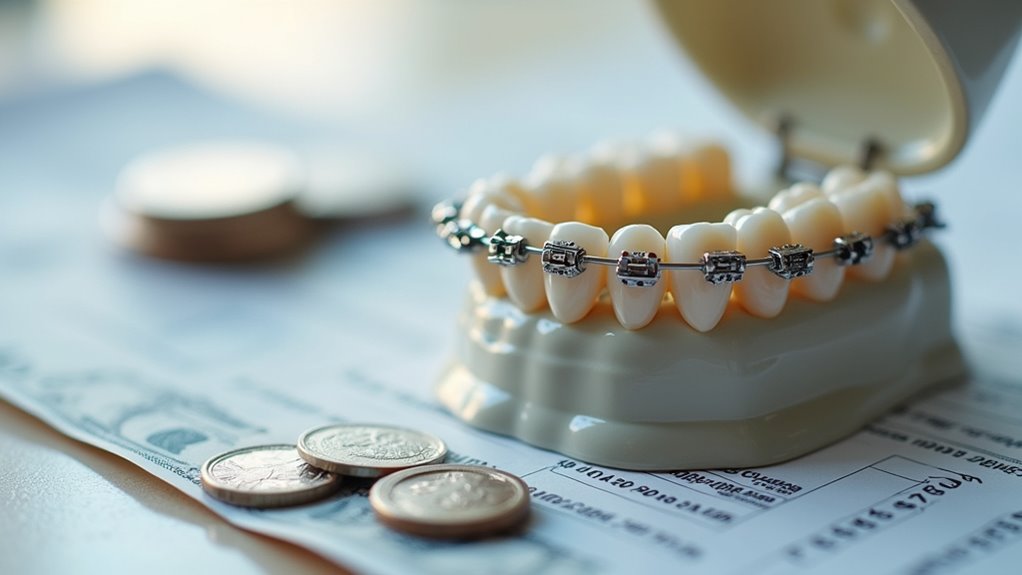
Braces costs can vary widely based on several factors. These include the type of braces you choose, the experience of your orthodontist, and your geographic location. Treatment duration and complexity also influence the overall price. Don't forget to take into account insurance coverage and available payment plans, as they can help manage your expenses. By understanding these factors, you can make more informed decisions about your orthodontic care. There's more to explore on this topic to further guide you.
Summary Point
- The type of braces chosen, such as metal, ceramic, or Invisalign, significantly affects overall costs.
- The orthodontist's experience enhances treatment outcomes, potentially reducing overall costs and duration.
- Geographic location influences pricing, with urban areas typically having higher costs than rural settings.
- Treatment complexity and duration can increase costs, as longer treatments often require more adjustments and monitoring.
- Insurance coverage and available payment plans play a crucial role in managing the affordability of orthodontic care.
Types of Braces and Their Costs

When considering orthodontic options, it's crucial to understand the various types of braces available and their associated costs.
Metal braces are the most common and typically range from $3,000 to $7,500, making them a budget-friendly choice for many.
If aesthetics are important to you, ceramic braces can be a suitable alternative, generally costing between $4,000 and $8,000.
For a completely hidden option, lingual braces provide a discreet solution but tend to be pricier, often falling between $8,000 and $10,000.
Alternatively, Invisalign, known for its clear aligners, usually incurs costs from $3,000 to $8,000.
Understanding these options can help you make informed decisions that best serve your orthodontic needs.
Orthodontist's Experience and Expertise
Choosing the right type of braces is only part of the equation; the orthodontist's experience and expertise play a significant role in the success of your treatment.
An orthodontist who's honed their skills through extensive training and practical application of advanced orthodontic techniques can dramatically influence your treatment outcome. Their ability to tailor a plan that suits your unique dental needs is crucial.
With greater experience, an orthodontist is likely to anticipate challenges and apply innovative solutions effectively. In addition, their familiarity with evolving technologies guarantees you'll receive the most current and effective care.
Investing in an experienced orthodontist may lead to better results, reducing the overall duration and cost of your treatment, while enhancing your smile's functionality and aesthetics.
Geographic Location and Its Impact
Although you might expect braces to cost the same nationwide, geographic location considerably influences pricing. In urban areas, you'll often find higher costs due to increased demand and the higher overhead expenses of dental practices.
Conversely, rural settings may offer more competitive pricing, as the cost of living tends to be lower, leading to a cost disparity between these two types of locations.
Additionally, access to orthodontic specialists can vary; you may have more options in urban settings, which can also influence prices.
Understanding these geographic factors equips you to make informed decisions, ensuring patients receive the best care while also considering costs.
Ultimately, knowing how location impacts braces pricing will help you budget effectively.
Treatment Duration and Complexity

When you're considering braces, understanding the treatment duration and complexity is essential.
Longer treatment times often equate to higher costs, especially if your case involves significant alignment issues or additional procedures.
Treatment Length Impact
The length and complexity of orthodontic treatment greatly impact the overall cost of braces, as more extensive cases often require additional resources and time.
Successful treatment hinges on key factors, which include:
- Treatment Milestones: Achieving specific goals takes time, and the more milestones involved, the longer your treatment may last.
- Patient Compliance: Your commitment to wearing aligners or following care instructions directly influences the timeframe of your treatment.
- Adjustments and Office Visits: Regular visits to your orthodontist for adjustments add to the duration, affecting overall costs.
Longer treatments can mean higher expenses, so staying informed about how your adherence to the plan and the treatment's complexity can aid in budgeting for your orthodontic journey.
Complexity of Case
Factors influencing the complexity of your orthodontic case play a significant role in determining the duration and cost of braces. Generally, mild cases, which may involve minor misalignments or spacing issues, tend to require less time and can be less expensive. These cases often take around six to twelve months to complete.
On the other hand, severe cases, like those involving significant crowding or bite issues, necessitate more complex treatment plans and can extend your brace-wearing period to two years or more.
The complexity not only affects the duration but also the number of adjustments needed, directly impacting your overall costs. Understanding these factors helps set clear expectations for your orthodontic journey, ensuring you can serve your patients effectively.
Insurance Coverage and Payment Plans

Charting insurance coverage and payment plans for braces can greatly affect your overall costs. Understanding your insurance options is essential, as different policies cover varying portions of treatment.
Here are three key factors to evaluate:
- Coverage Details: Some plans may cover a percentage of braces costs, while others have a cap on benefits.
- Deductibles: Be aware of any deductibles you need to meet before your insurance kicks in.
- Payment Flexibility: Many orthodontists offer flexible payment plans, allowing you to manage costs effectively over time.
Assessing these elements helps you make informed decisions and provides the care you deserve without undue financial stress.
Prioritize finding the best balance between affordability and quality treatment for ideal results.
Additional Costs to Consider
When considering braces, it's important to factor in additional costs that go beyond the initial treatment price. One significant expense to keep in mind is retainer costs, which you'll incur after your braces are removed. Retainers help maintain your teeth's new positions, and prices can vary, so it's wise to ask your orthodontist for details.
You should also consider follow-up visits, as these appointments are essential for monitoring your progress and making any necessary adjustments. Your treatment plan may require more visits than you initially expected, adding to the overall cost.
Maintenance and Aftercare Expenses
After getting braces, many people overlook the ongoing maintenance and aftercare expenses that can arise.
It's important to budget for these costs to guarantee your smile remains perfect post-treatment. Here are three key expenses to think about:
- Retainer Fees: After your braces come off, you'll need a retainer to maintain your teeth's new position, which may include initial costs for custom retainers.
- Follow Up Appointments: Regular visits to your orthodontist for check-ups help guarantee your retainer fits well and continues to work effectively, typically a couple of times a year.
- Oral Care Products: Investing in specialized dental care products designed for braces users, like floss threaders and electric toothbrushes, feels vital for maintaining oral hygiene.